

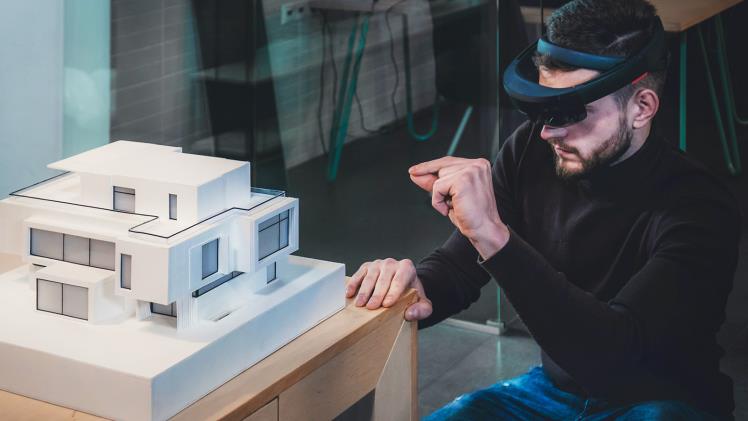
In the rapidly progressing era of virtual technology and design, the world of architecture has been revolutionized. The introduction of 3D animation in architecture has not only changed the traditional method of blueprint designing but has also turned the tables, making architectural presentations more interactive, engaging, and realistic. This move towards a more virtual space has dramatically enhanced the relationship between architects and their clients, and totally redefined the concept of architectural design.
Presenting Designs like Never Before
3D animation technology has made it possible to virtually step inside a design and experience it first hand, taking the clients on a virtual walk-through of the architectural space. These lifelike 3D models have significantly cut down the communication gap, providing a more comprehensive spatial awareness and a better understanding of the planned design.
Experience the Vision
3D architectural animations make the entire project more understandable. The traditional blueprints are brought to life, giving a realistic sensation of the architectural design.
Enhanced Communication
For architects, explaining their vision with 2D sketches can be a daunting task. The 3D animations have eased this process significantly, enhancing mutual understanding and collaboration between architects and their clients.
The introduction of 3D animation in architecture has genuinely revolutionized the industry. High quality 3d animation services are now easily accessible and can provide valuable assistance throughout the design process.
Practical Applications of 3D Animation in Architecture
While it is evident how beneficial 3D animated architectural presentations can be, multiple sectors are taking advantage of this progressive technology, from the smallest renovation project to the most sprawling commercial establishments.
Residential architectural designs
Virtual walkthroughs provide a realistic and immersive experience, allowing clients to explore every detail of the design before construction begins. This not only fosters a deeper understanding of the spatial layout but also eliminates potential misunderstandings and dissatisfaction by aligning client expectations with the envisioned design. The ability to virtually experience the proposed residential plans ensures a more transparent and collaborative design process, ultimately leading to greater client satisfaction and confidence in the final outcome.
Commercial architectural designs
For commercial architectural designs, particularly in projects like shopping malls, hotels, and airports, 3D architectural animations play a crucial role in conveying the vision to investors and stakeholders. These animations offer a dynamic and visually compelling representation of the project, allowing stakeholders to comprehend the scale, aesthetics, and functionality in a way that static drawings or traditional presentations may fall short. This enhances communication, aligns expectations, and fosters a shared understanding among all involved parties.
Advancements and the Future
As technology continues to evolve, architectural presentation techniques are poised for even more significant advancements in the future. The ongoing integration of cutting-edge technologies like virtual reality (VR), augmented reality (AR), and artificial intelligence (AI) holds the potential to further revolutionize how architectural designs are visualized and communicated. These advancements will likely result in more interactive and personalized experiences, offering clients and stakeholders unprecedented insights into architectural projects.
Building Information Modelling (BIM)
BIM is a holistic approach to the entire lifecycle of a construction project, offering a digital representation of the building process that extends beyond the visual aspects. By integrating time and cost dimensions, BIM provides a comprehensive and dynamic project view, allowing stakeholders to visualize not only the physical structure but also the timeline and financial implications at each stage. This multidimensional perspective facilitates better decision-making throughout the project lifecycle, enabling stakeholders to anticipate and address potential challenges more effectively.
Virtual Reality (VR)
The integration of VR with 3D architectural animation allows for a more immersive experience. It enables the client to feel as if they are walking inside the completed project.
Today, the architectural industry is heavily relying on digital technologies to integrate interactive designs. While 3D animation does a great job in this aspect, even simpler approaches like whiteboard animation services can create a significant impact in conveying design concepts in a simple and engaging way.
Conclusion
In a nutshell, the advent of 3D animation in architecture has bridged the gap between conceptualization and realization. It has facilitated better communication, greater understanding, and improved execution of architectural projects. As technology continues to grow, it’s an exciting journey to see what the future holds for architectural presentations and how we interact with them. One thing’s for sure, our architectural experiences are all set to become more immersive, comprehensive, and fascinating with advancements in 3D animation.
