

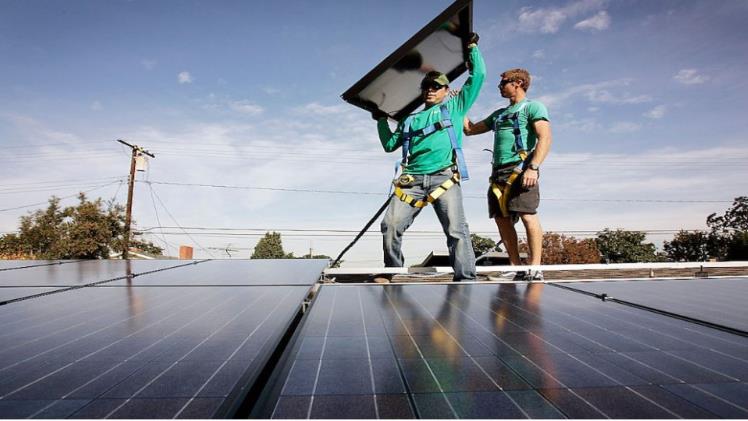
In a world where renewable energy sources are gaining momentum, solar power stands out as one of the most promising solutions. micro inverter are revolutionizing the solar industry by offering advantages such as individual panel optimization, increased system efficiency, and enhanced monitoring capabilities. These opportunities open doors for improved performance and greater flexibility in harnessing solar power. As individuals, businesses, and governments look to reduce their carbon footprint and embrace sustainable alternatives, solar panel systems have become increasingly popular.
But amidst this growing demand for solar energy, innovations continue to reshape the industry. One such innovation is the emergence of micro inverter – small devices that are revolutionizing how solar panel systems operate.
In this blog post, we will explore the advantages and opportunities presented by micro inverters in unleashing the true potential of solar power. From understanding their functionality to maximizing efficiency, we’ll delve into why micro inverters are changing the game for solar panel systems worldwide. So let’s dive in and discover how these tiny but mighty devices are reshaping our approach to harnessing clean energy!
The Basics of Solar Panels and Inverters
Solar panels are devices that convert sunlight into electricity, while inverters are responsible for converting the direct current (DC) produced by solar panels into alternating current (AC) usable in homes and businesses. Each micro inverter is attached to a single solar panel, allowing for independent operation and optimization of power output.
Traditional Solar Inverters vs. Micro Inverters
Traditional solar inverters have been the standard in the industry, but micro inverters offer a more efficient and flexible solution. Let’s compare these two options to understand their differences and why micro inverters are gaining popularity.
Advancements in Micro Inverters
Advancements in Micro Inverters have transformed the solar industry. These technological innovations have led to improved efficiency, reliability, and scalability, making them a game-changer for solar panel systems.
The Advantages of Micro Inverters in Solar Panel Systems
Micro inverters offer increased energy production, improved safety, and enhanced flexibility compared to traditional inverters. They optimize performance by allowing each panel to operate independently, minimizing the impact of shade or malfunctions on the entire system. This also means that if one panel fails, the rest of the system will continue to function.
Maximizing Solar Panel Efficiency with Micro Inverters
Micro inverters play a crucial role in optimizing the efficiency of solar panel systems. By converting DC power to AC at the individual panel level, micro inverters allow each panel to perform at its maximum potential, even in shaded or unevenly lit conditions. With this advanced technology, solar systems can generate more electricity and deliver greater energy output throughout the day. This makes micro inverters an ideal solution for installations with multiple orientations, shading, or varying panel sizes.
The Growing Market for Micro Inverters
The market for micro inverters is experiencing rapid growth due to their numerous advantages in solar panel systems, making them an essential component of the evolving renewable energy industry. As more individuals and businesses seek to reduce their carbon footprint and embrace sustainable practices, micro inverters offer a promising solution for harnessing solar power effectively.
The Future of Solar Panel Systems with Micro Inverters
Harnessing the Potential of Renewable Energy for a Sustainable Tomorrow. Explore how micro inverters are revolutionizing the solar industry and paving the way for a greener future. As the demand for clean energy continues to grow, micro inverters are poised to play a pivotal role in the future of solar panel systems. With their ability to optimize performance, increase energy production, and improve safety, these tiny devices are unlocking the full potential of solar power and driving us towards a more sustainable tomorrow.
Conclusion
The solar industry has witnessed a significant revolution with the introduction of micro inverters. These innovative devices have unleashed the true potential of solar power by addressing many limitations and challenges associated with traditional string inverters.
Micro inverters offer numerous advantages over their counterparts, including enhanced system performance, increased energy production, improved reliability, and simplified installation and maintenance processes. With their ability to optimize each individual solar panel’s output and adapt to varying shading conditions, micro inverters maximize overall system efficiency.
The functionality of micro inverters allows for better monitoring and control of solar panel systems. Through advanced communication capabilities, homeowners can easily track energy production in real-time and identify any issues or underperforming panels promptly. This level of visibility provides peace of mind while ensuring maximum return on investment.
Moreover, the market for micro inverters is rapidly growing as more consumers recognize their benefits and demand higher-performing solar installations. With advancements in technology driving down costs and increasing accessibility, it is expected that micro inverters will become even more prevalent in the coming years.
As we strive towards a cleaner future powered by renewable energy sources like solar power, micro inverters are poised to play a crucial role in driving this transition forward. Their ability to unlock greater efficiency from solar panels opens up new opportunities for widespread adoption across residential, commercial, and industrial sectors.
Embracing micro inverters brings us one step closer to achieving our clean energy goals while reaping the financial rewards that come with harnessing the full potential of sunlight. By combining cutting-edge technology with sustainable practices, we can truly revolutionize the way we generate electricity through Solar Panel Systems.
