

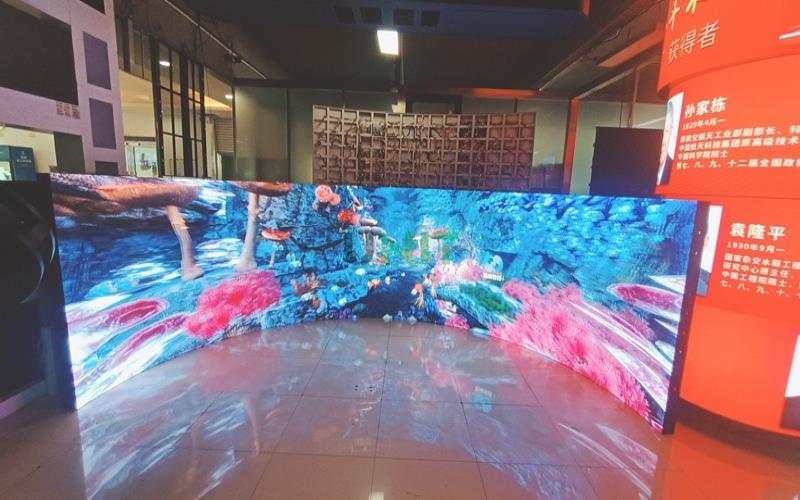
In the realm of digital advertising and display technology, the integration of 3D LED screens with existing technologies is not just an advancement; it’s a revolution. This fusion promises to transform public spaces, entertainment, and advertising, offering viewers experiences that are not only visually stunning but deeply immersive. Among the most captivating applications of this integration is the 3D billboard, a leap forward in outdoor advertising that commands attention and brings advertisements to life. Let’s delve into how these innovative screens are being seamlessly woven into our digital landscape, enhancing the way we interact with multimedia content.
The Rise of 3D LED Billboards
The evolution of billboard advertising has seen a significant shift with the introduction of 3D LED technology. Unlike traditional billboards, 3D LED billboards offer a dynamic and engaging viewer experience, featuring visuals that pop out and seem to extend beyond the boundaries of the screen. This leap in visual technology not only captures the attention of passersby but also creates lasting impressions, making advertisements more memorable.
Integration with Existing Technologies
The true potential of 3D LED screens lies in their ability to integrate seamlessly with existing digital technologies. From augmented reality (AR) applications to smart city infrastructure, 3D LED screens are enhancing the way technology is experienced in public spaces. For instance, when combined with AR, 3D LED billboards can offer interactive experiences, allowing viewers to engage with the content through their smartphones, further blurring the lines between digital and physical worlds.
Enhancing Viewer Engagement
The integration of 3D LED screens with existing technologies significantly boosts viewer engagement. By creating an immersive viewing experience, these screens encourage viewers to stop, watch, and interact with the content. This enhanced engagement is invaluable for advertisers seeking to make an impact in today’s fast-paced digital environment. It’s not just about showing an advertisement; it’s about creating an experience that resonates with the audience.
Seamless Experience Across Platforms
One of the challenges in today’s digital ecosystem is creating a consistent experience across different platforms and technologies. 3D LED screens, with their high compatibility and flexibility, offer a solution. They can display content that complements mobile apps, social media campaigns, and other digital marketing strategies, providing a cohesive and unified brand experience. This seamless integration ensures that messages are reinforced, regardless of the medium, enhancing brand recall and impact.
Challenges and Opportunities
Integrating 3D LED screens with existing technologies presents both challenges and opportunities. On the technical side, ensuring compatibility and optimizing content for 3D presentation require expertise and innovation. However, the opportunities for creating engaging, interactive public displays are boundless. Cities, brands, and content creators can leverage these screens to tell stories, convey messages, and captivate audiences in ways previously unimaginable.
Conclusion
The integration of 3D LED screens with existing technologies represents a significant step forward in digital display and advertising. As we embrace this new era, the possibilities for creativity, engagement, and interaction are expanding. 3D LED billboards and screens are not just about displaying content; they’re about creating a seamless, immersive experience that bridges the gap between the digital and physical realms. For those looking to explore the forefront of this technology, Unilumin’s exploration of 3D LED billboards offers a window into the future of digital displays, where every screen is an opportunity to engage, inspire, and connect.
