

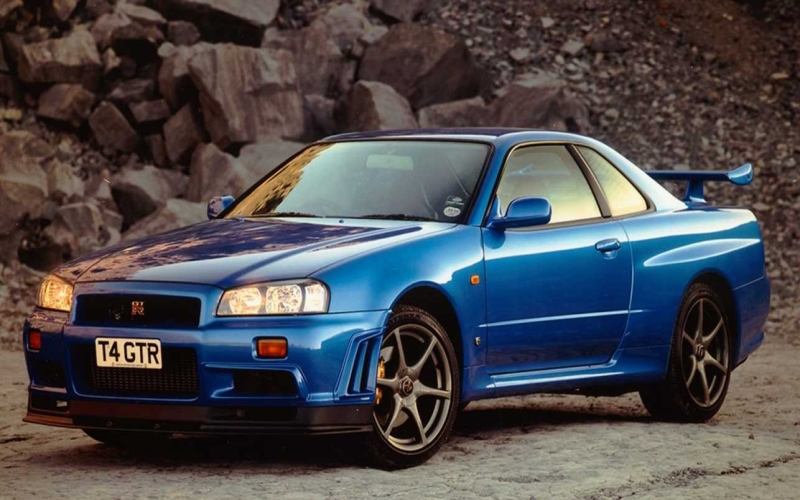
Importing a car from Japan is an exciting venture that offers access to unique, high-quality vehicles often unavailable in the local market. Whether you’re a car enthusiast looking for a specific model or simply seeking a reliable vehicle, understanding the process can help ensure a smooth experience. Here’s a comprehensive guide on what to expect when importing Japanese cars, with insights into each step and tips to make the process as seamless as possible.
Why Import Japanese Cars?
Japanese cars are renowned for their quality, reliability, and innovative features. They often come with advanced technology and are well-maintained, thanks to Japan’s stringent vehicle inspection laws. Additionally, the wide variety of models available in Japan, from kei cars to high-performance sports cars, provides options for every preference and budget.
The Process of Car Shipping Japan to Australia
One of the first steps in importing a car from Japan is understanding the logistics of car shipping Japan to Australia. This involves several key stages, each requiring careful attention to detail.
Choosing a Reliable Exporter
Selecting a trustworthy exporter is crucial. Look for companies with positive reviews and a proven track record. A good exporter will help you navigate the complexities of the process, from purchasing the car to arranging shipping.
Shipping Methods
There are two main methods for shipping a car from Japan to Australia: container shipping and roll-on/roll-off (RoRo) shipping.
- Container Shipping: Your car is loaded into a container, providing extra protection during transit. This method is ideal for high-value or classic cars.
- RoRo Shipping: Your car is driven onto a specialized ship and secured for the journey. RoRo is generally less expensive than container shipping but offers less protection.
Shipping Costs and Time
Shipping costs vary based on the method chosen, the size of the vehicle, and the distance. Typically, shipping from Japan to Australia takes about 3-6 weeks. Be sure to factor in these costs and timeframes when planning your import.
Compliance with Australian Regulations
Australia has specific regulations regarding the importation of vehicles to ensure safety and environmental standards are met. Understanding and complying with these regulations is critical to avoid delays or additional costs.
Vehicle Import Approval
Before importing, you must obtain a Vehicle Import Approval (VIA) from the Department of Infrastructure, Transport, Regional Development and Communications. This approval confirms that your car meets Australian standards or qualifies for exemption.
Modifications and Compliance
Imported cars may need modifications to comply with Australian Design Rules (ADRs). Common modifications include changes to lighting, seat belts, and emissions systems. Engaging a Registered Automotive Workshop Scheme (RAWS) workshop can help ensure your vehicle meets these requirements.
Quarantine and Biosecurity
Australia has strict biosecurity laws to prevent the introduction of pests and diseases. Your car will undergo quarantine inspection upon arrival, so ensure it’s thoroughly cleaned, especially the undercarriage and engine bay, to pass inspection.
Costs Involved in Importing a Japanese Car
Importing a car involves several costs beyond the purchase price. Understanding these expenses will help you budget effectively.
Purchase Price
The initial cost of the car in Japan, which includes auction fees, local taxes, and the cost of any necessary repairs or modifications.
Shipping Costs
As mentioned earlier, shipping costs vary based on the method chosen. Be sure to get quotes from several shipping companies to find the best rate.
Import Duties and Taxes
Upon arrival in Australia, you’ll need to pay import duties and Goods and Services Tax (GST). The duty rate varies depending on the type of vehicle, while GST is typically 10% of the car’s total value, including shipping and insurance.
Compliance and Modification Costs
These costs cover the modifications needed to meet ADRs and any associated inspection fees. The exact amount will depend on the specific modifications required for your vehicle.
Finding and Purchasing Your Japanese Car
The next step is finding and purchasing the right car. This can be done through various channels, including auctions, dealers, and private sellers.
Japanese Car Auctions
Car auctions are a popular way to purchase Japanese vehicles. Auctions offer a wide range of cars, often at competitive prices. Working with an experienced auction agent can help you navigate the process and ensure you get a good deal.
Japanese Car Dealers
Reputable dealers in Japan can provide detailed information on available cars and help arrange the purchase and shipping. Buying from a dealer can offer more peace of mind, as they often provide warranties and pre-purchase inspections.
Private Sellers
Buying from a private seller can be more challenging but may offer unique or rare vehicles not available through dealers or auctions. Ensure you conduct thorough due diligence and arrange for an independent inspection.
Preparing for Arrival and Registration
Once your car arrives in Australia, there are several steps to take before you can hit the road.
Clearing Customs
Your car must clear customs, which involves submitting documentation, paying duties and taxes, and passing quarantine inspection. Working with a customs broker can streamline this process.
Compliance Testing and Modifications
If not already done in Japan, your car will need to undergo compliance testing and any necessary modifications to meet ADRs. This should be done at a RAWS workshop.
Vehicle Registration
After compliance is confirmed, you can register your car with your state or territory’s motor vehicle registry. This involves submitting documentation, paying registration fees, and obtaining compulsory third-party insurance.
Benefits and Considerations
Importing a Japanese car offers several benefits but also comes with considerations.
Benefits
- Unique Selection: Access to a wide variety of models, including rare and high-performance vehicles.
- Quality and Reliability: Japanese cars are known for their build quality and longevity.
- Potential Savings: Even with import costs, you may find better value compared to local options.
Considerations
- Time and Effort: The import process can be time-consuming and requires careful attention to detail.
- Additional Costs: Beyond the purchase price, there are several additional costs to consider.
- Compliance Requirements: Ensuring your vehicle meets Australian standards can involve additional steps and modifications.
Enjoying Your Imported Japanese Car
Importing a car from Japan to Australia can be a rewarding experience, offering access to unique and high-quality vehicles. By understanding the process, complying with regulations, and budgeting for all associated costs, you can enjoy the benefits of your imported car with confidence. Whether you’re a car enthusiast seeking a rare model or simply looking for a reliable vehicle, the journey of importing a Japanese car can be a smooth and enjoyable one with the right preparation and resources.
