

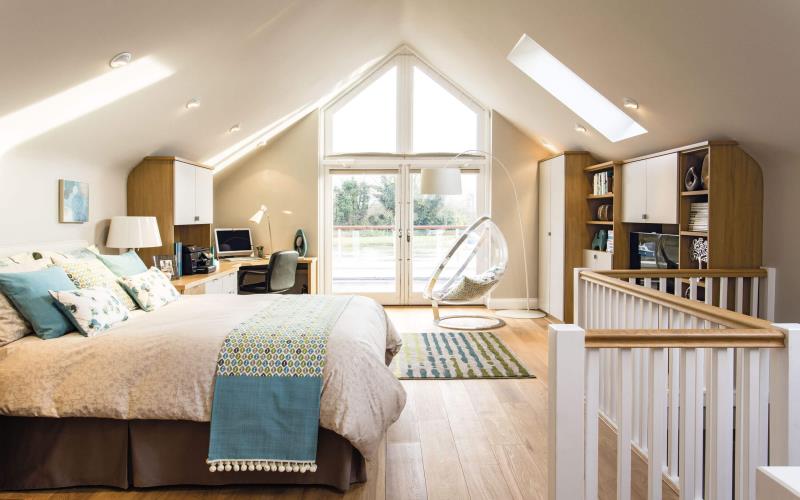
When I first decided to convert my loft in Wimbledon, I was overwhelmed. There were endless ideas online, but most left me more confused than inspired. What would actually work for the space? How could I make the most of every square foot? It wasn’t until I did a little research and spoke to experts that I figured out the secret: the right furniture can transform your loft from a blank space into a dream retreat.
Let me walk you through what I learned about picking the best furniture for a loft conversion, so you can save yourself the same headaches.
Start With Fitted Wardrobes
One of the smartest moves I made in my loft conversion was installing floor-to-ceiling fitted wardrobes. Trust me, this is where you need to invest if you want to make the most of your space. Loft conversions can be tricky because of those sloped ceilings. Regular furniture just doesn’t fit well. You’ll either end up with gaps or wasted space, which in a loft, you cannot afford.
Fitted wardrobes can be designed to fit snugly into those awkward spaces. Every inch counts and custom designs give you more storage than you’d think possible. You can have drawers, hanging space, shelves – the works. Plus, they look sleek and modern. It makes the room feel bigger because it’s all tucked away behind those clean wardrobe doors.
Keep It Low and Light
After sorting out the storage, I realized the height of my furniture mattered. Loft spaces tend to have lower ceilings, so tall or bulky furniture can feel oppressive. That’s why I stuck with low-profile pieces for the rest of the room.
Low beds, sofas, and chairs will keep the room feeling open. Even though you have a lot of vertical space with the sloped ceilings, it’s all about how you perceive the space when you’re sitting or lying down. You don’t want furniture to dominate the room.
By keeping things lower to the ground, I noticed it gave the illusion of more headroom. It’s a subtle trick, but it works wonders in a loft.
Opt for Multipurpose Furniture
One thing I quickly learned is that lofts are all about versatility. Whether you’re converting yours into a bedroom, a home office, or a snug, chances are you’re working with a smaller space. That’s why multipurpose furniture is your best friend.
In my case, I went with a sofa bed. It doubles as seating during the day, and if guests stay over, it’s the perfect sleeping solution without needing a spare bedroom. Other pieces that work well include ottomans with hidden storage or a fold-out desk that you can tuck away when you don’t need it.
The key is finding pieces that serve more than one function. I can’t emphasize this enough – the less clutter, the better. With smart furniture, you can have everything you need without sacrificing space.
Use Mirrors to Open Up the Space
This might sound like a cliché, but mirrors really do make a difference. The moment I put a large mirror in my loft, it was like the whole room doubled in size.
Mirrors reflect natural light, which is crucial if your loft only has one or two small windows. You don’t want your loft to feel dark and cramped. I placed my mirror opposite the largest window, and it made the room feel bright and airy, even on gloomy days.
It doesn’t need to be anything fancy. A simple, large mirror with a thin frame does the trick. The idea is to bounce as much light as possible around the room, creating the illusion of more space.
Consider Built-In Seating
I learned this tip from a designer friend. Built-in seating is a genius way to maximize space in a loft. Think window seats, benches along the wall, or even seating built into your wardrobe design.
Not only does it save space by eliminating the need for extra furniture, but it also adds a cosy, custom feel to the room. I added a window seat under the dormer window in my loft, and it’s now my favourite spot in the house. Plus, you can include storage underneath the seat, which is always a bonus.
Don’t Forget About Lighting
Lighting is a huge factor in loft conversions, and the furniture you choose can affect how light flows in the space. In my loft, I noticed that big, bulky furniture created shadows, making the room feel darker.
I opted for lighter-coloured furniture and pieces with sleek, minimalist designs. The lighter shades reflect more natural light, making the room feel open and inviting. Also, avoid heavy curtains or dark blinds. Go for something sheer to let in as much light as possible.
For artificial lighting, I recommend wall-mounted lamps instead of floor lamps. They save floor space and give a more streamlined look. I also added LED strip lights under my fitted wardrobes and around my seating area for a modern touch.
Finishing Touches: Rugs and Textiles
Once you’ve sorted out your key furniture, it’s all about the finishing touches. Rugs are great for defining different areas in a loft, especially if it’s an open-plan space. I used a large rug under my bed, and it instantly made the sleeping area feel more grounded and cosy.
Textiles like cushions throws, and blankets add softness to a loft. Since lofts often have a more industrial or modern feel with exposed beams or brick, these softer touches help balance things out. I added a chunky knit throw to my window seat, and it completely transformed the space into a cosy nook.
Final Thoughts
If you’re planning a loft conversion, don’t overlook the importance of the right furniture. From floor-to-ceiling fitted wardrobes to low-profile pieces, every choice can have a massive impact on how the space feels and functions.
By keeping furniture light, multipurpose, and tailored to your space, you can create a loft that feels spacious, cosy, and uniquely yours. And remember – it’s not about cramming in more furniture. It’s about choosing the right pieces that work with the flow and design of your loft.
Now that you know the secrets, you can avoid the mistakes I made in the beginning and create a space that’s truly perfect for you.
