

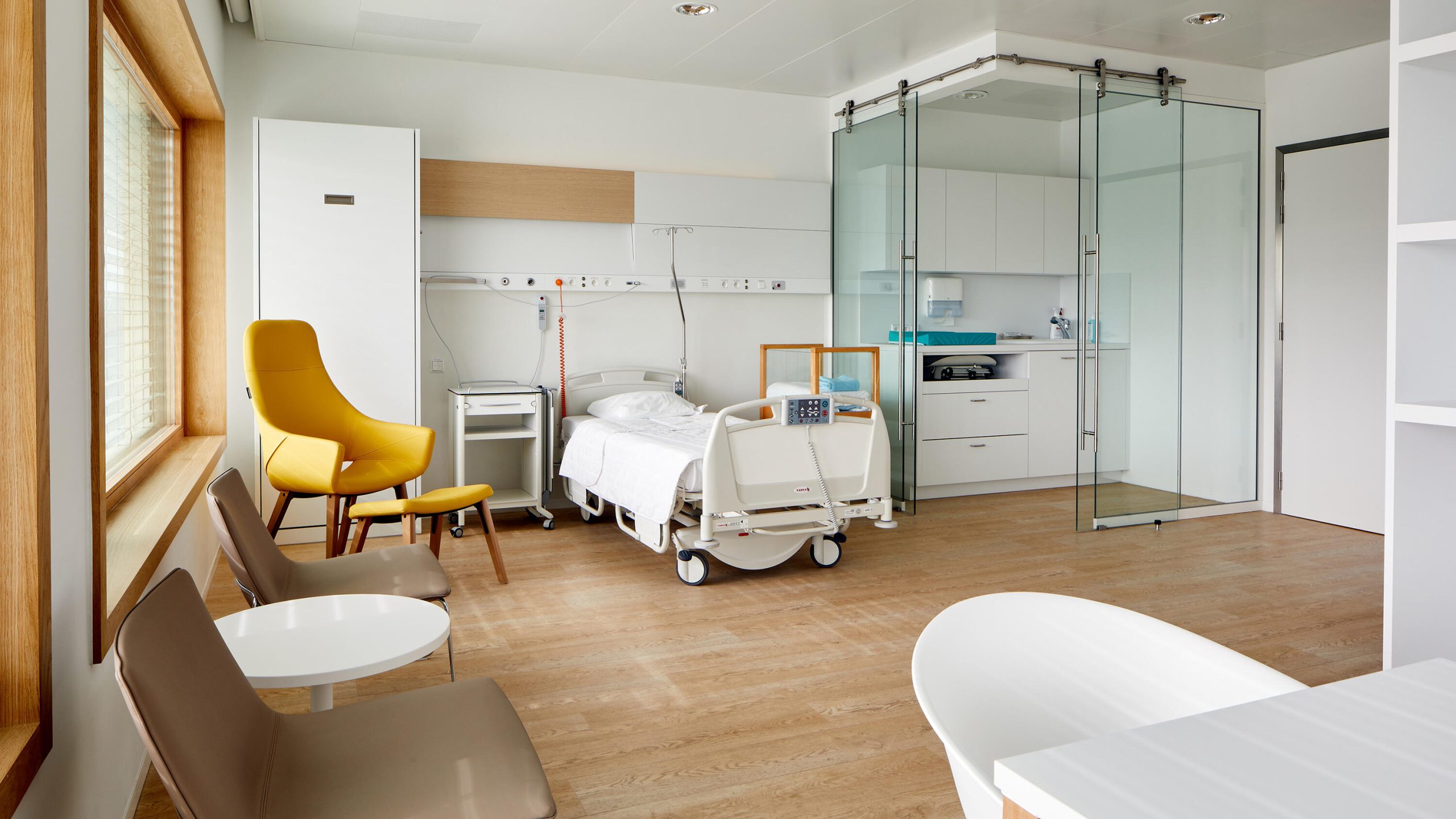
As healthcare facilities continue to grow and evolve, one area of increasing importance is the selection of flooring materials. The need for floors that are both durable and safe is critical in environments that demand the highest standards of hygiene and sustainability. Biotech flooring has emerged as a viable option, offering not only superior performance but also eco-friendly benefits. This article explores the reasons why healthcare settings, including hospitals, clinics, and laboratories, need sustainable biotech flooring solutions, and how such products meet the demanding needs of these environments.
The Challenges Facing Healthcare Facilities
Healthcare facilities face unique challenges that require specialized solutions. The constant foot traffic, exposure to harsh cleaning chemicals, and the need to prevent cross-contamination from one area to another all place significant pressure on flooring systems. In addition, healthcare facilities are increasingly seeking ways to reduce their environmental impact, embracing sustainability initiatives wherever possible. The flooring industry, traditionally dominated by vinyl and other synthetic materials, is now responding to these challenges with innovative, sustainable options like biotech flooring.
Sustainability in Healthcare: A Growing Priority
Sustainability has become a critical focus across all industries, and healthcare is no exception. The sector is responsible for a significant portion of global waste and carbon emissions, prompting hospitals and clinics to look for ways to reduce their environmental footprint. Sustainable flooring plays an important role in these efforts. Biotech flooring is designed to minimize environmental impact without sacrificing performance or safety.
Biotech flooring options are often crafted from renewable resources and are fully recyclable, making them a perfect fit for healthcare settings that aim to achieve sustainability goals. These materials typically have lower carbon footprints than traditional flooring options, and they also contribute to better indoor air quality, a vital consideration in healthcare environments where air quality directly impacts patient outcomes.
Durability and Hygiene: Meeting Healthcare Standards
Durability is one of the primary concerns when choosing flooring for healthcare environments. Floors in hospitals, for instance, must withstand constant wear from foot traffic, medical equipment, and cleaning procedures. Additionally, they need to support a sterile environment, which is critical for patient safety.
Biotech flooring is designed with these specific needs in mind. The materials are highly resistant to scratches, stains, and the damaging effects of cleaning chemicals, ensuring that the flooring will maintain its integrity and appearance over time. Furthermore, the seamless installation process of biotech flooring prevents gaps and joints that could harbor dirt, bacteria, and germs. This contributes to maintaining the necessary hygiene standards in healthcare environments where cleanliness is paramount.
Another feature that sets biotech flooring apart is its ability to resist microbial growth. This is crucial in healthcare settings where infection control is a top priority. By using antimicrobial agents integrated into the flooring material, biotech flooring can help prevent the spread of harmful bacteria and pathogens, contributing to the overall health and safety of patients and healthcare workers alike.
Eco-Friendly and Cost-Effective
One of the key selling points of biotech flooring is its eco-friendly design. As sustainability becomes a central concern for healthcare facilities, choosing materials that align with green building standards is essential. Biotech flooring solutions are typically manufactured using environmentally responsible processes and materials. In addition to being recyclable, they often have low volatile organic compound (VOC) emissions, helping to improve the indoor air quality of healthcare buildings.
Moreover, the long-term cost savings of sustainable flooring cannot be overlooked. Although the initial investment in biotech flooring might be higher than traditional options, the durability and reduced need for replacements and maintenance can result in significant cost savings over the life of the product. In addition, the reduced environmental impact and the ability to contribute to green building certifications can improve a healthcare facility’s reputation and appeal, attracting both patients and staff who value sustainability.
Meeting Industry Standards and Regulations
In the healthcare industry, flooring materials must meet a range of stringent standards and regulations to ensure safety and functionality. Biotech flooring has been developed to meet these industry standards, offering a reliable and compliant solution for healthcare facilities. Whether it’s adhering to fire safety codes, slip resistance standards, or sustainability certifications, biotech flooring products are designed to meet or exceed the necessary regulations.
Additionally, many healthcare facilities are turning to sustainable building certifications to demonstrate their commitment to environmental stewardship. By choosing biotech flooring, healthcare facilities can contribute to achieving these certifications, which can not only enhance their sustainability profile but also improve their overall operational efficiency, as highlighted in the latest the boring magazine.
The Future of Healthcare Flooring
As the healthcare sector continues to prioritize sustainability, the demand for flooring solutions that balance performance, hygiene, and environmental responsibility will only grow. Biotech flooring represents the future of healthcare facilities, offering a high-performing, eco-friendly alternative to traditional flooring options. Its combination of durability, hygiene, and sustainability makes it an ideal choice for healthcare settings that want to reduce their environmental footprint while maintaining the highest standards of safety and care.
The healthcare industry faces the ongoing challenge of balancing patient safety, operational efficiency, and environmental responsibility. Biotech flooring provides a solution that addresses all of these concerns. With its durability, antimicrobial properties, and sustainable design, biotech flooring is quickly becoming a critical component of modern healthcare facilities. As the demand for eco-friendly and high-performance materials continues to rise, sustainable flooring solutions like biotech flooring will play a crucial role in shaping the future of healthcare environments.
