

Pasuruan, a charming city nestled in East Java, Indonesia, is pakipasuruan.org treasure trove of culture and creativity. Known for its vibrant traditions and skilled artisans, Pasuruan has cultivated a rich legacy of craftsmanship that continues to thrive. From intricate wood carvings to delicate batik textiles, the art of Pasuruan embodies a unique blend of history, culture, and artistic ingenuity.
A Legacy of Craftsmanship
Pasuruan’s traditional crafts are deeply rooted in its history. The city has long been a hub for artisans who have passed down their skills through generations. These crafts are more than just aesthetic creations; they represent a way of life and a connection to Pasuruan’s cultural heritage. Visitors and locals alike can witness this legacy in the bustling marketplaces and artisan workshops that dot the region.
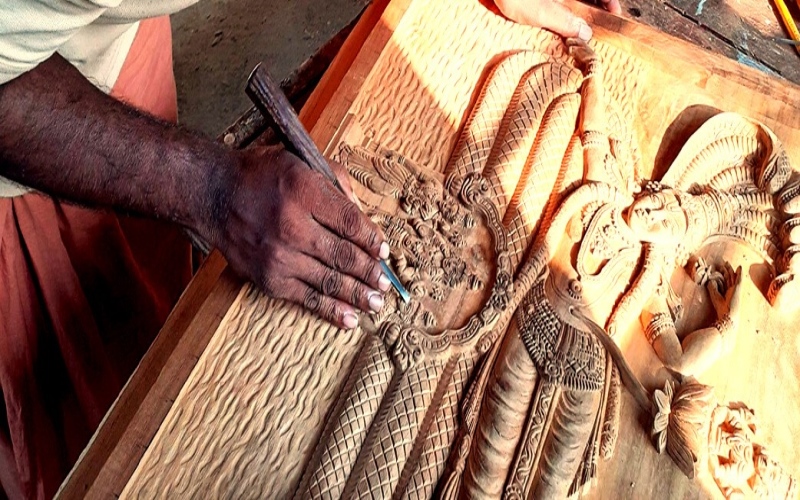
One of the most celebrated crafts in Pasuruan is wood carving. Known for its intricate designs and fine details, Pasuruan’s wood carvings are a testament to the skill and patience of local artisans. From traditional Javanese motifs to modern interpretations, the carvings often tell stories of folklore, nature, and spirituality. These pieces are not only used for decorative purposes but also for functional items like furniture and household ornaments.
The artisans use locally sourced teak and mahogany, renowned for their durability and beauty. The process of creating these masterpieces involves meticulous planning, sketching, and hours of carving. The final products are a harmonious blend of art and utility, making them highly sought after both locally and internationally.
Batik: A Canvas of Tradition
Batik holds a special place in Pasuruan’s artistic landscape. The city is home to distinctive batik patterns that reflect its unique cultural identity. Unlike other regions in Indonesia, Pasuruan’s batik designs often incorporate vibrant colors and bold motifs inspired by nature, such as flowers, birds, and ocean waves.
The batik-making process is labor-intensive, requiring precision and creativity. Artisans first sketch patterns onto fabric before applying wax to outline the designs. The fabric is then dyed, and the wax is removed to reveal the intricate patterns. This cycle may be repeated several times to achieve the desired complexity and color combinations. Each piece of batik is a labor of love, embodying the artisan’s dedication and creativity.
Pottery: Earth and Art Combined
Pasuruan’s pottery tradition is another highlight of its artistic heritage. Using clay sourced from local riverbanks, potters create functional and decorative items that showcase their craftsmanship. The process involves shaping the clay on a potter’s wheel, firing it in a kiln, and often hand-painting the final pieces with intricate designs.
The pottery of Pasuruan is known for its earthy tones and durability. From vases and jars to cooking utensils and decorative items, these creations blend practicality with aesthetic appeal. Visitors to Pasuruan can often participate in pottery workshops, gaining a deeper appreciation for this ancient art form.
Weaving: Threads of Heritage
Weaving is another craft that showcases Pasuruan’s artistic prowess. Traditional handwoven textiles, often made from natural fibers like cotton and silk, are adorned with intricate patterns that reflect the region’s cultural and natural elements. The weavers use traditional looms, a skill passed down through generations, to produce fabrics that are used for clothing, accessories, and home décor.
The patterns often tell stories of Pasuruan’s history and legends, making each piece a unique narrative. These textiles are not only prized locally but have also gained recognition in the global market for their quality and craftsmanship.
Preserving Tradition in a Modern World
While Pasuruan’s traditional crafts remain a source of pride, they face challenges in the modern era. The rise of mass production and the influx of cheaper, machine-made goods threaten the survival of these artisanal trades. However, efforts are underway to preserve this invaluable heritage.
Local government initiatives, cultural festivals, and artisan cooperatives play a significant role in promoting traditional crafts. Educational programs and workshops aim to inspire the younger generation to take up these crafts, ensuring their continuity. Additionally, collaborations with contemporary designers help bring a modern twist to traditional crafts, making them more appealing to younger audiences.
Supporting Pasuruan’s Artisans
Visitors to Pasuruan can support local artisans by purchasing their handcrafted products. By doing so, they contribute to the preservation of these traditional crafts and provide artisans with a sustainable livelihood. Many workshops and markets offer opportunities to interact with the artisans, allowing visitors to learn about the creative processes and the stories behind each piece.
Tourists can also explore cultural villages where traditional crafts are a way of life. These immersive experiences offer a glimpse into the daily lives of artisans and provide a deeper appreciation for their skills and dedication.
The Future of Pasuruan’s Arts
The art of Pasuruan is a living testament to the city’s rich cultural heritage. With continued efforts to preserve and promote traditional crafts, Pasuruan’s artisans are poised to thrive in the face of modern challenges. As the world becomes more appreciative of sustainable and handcrafted products, Pasuruan’s crafts have the potential to shine on the global stage.
By celebrating and supporting the artisans of Pasuruan, we help ensure that their skills and stories endure for generations to come. Whether you’re a collector, a cultural enthusiast, or a curious traveler, the art of Pasuruan offers something truly special—a chance to connect with history, culture, and the enduring beauty of human creativity.
