


The modern kitchen is no longer a place defined solely by cooking. It has evolved into a stage for expression, ritual, and communication. Designing it in this manner requires thinking in terms of zones rather than rigid layouts. Instead of one continuous expanse of cabinetry and worktop, the contemporary kitchen is increasingly composed of small “stations”.
This shift toward multi-use kitchen stations isn’t just aesthetic trend-hunting. It reflects a deeper cultural change: a desire to slow down, reconnect with the making of things, and inhabit our homes more intentionally. The kitchen becomes a miniature ecosystem, with each station serving as a unique habitat for creativity.
The New Geography of the Kitchen
To understand this evolution, imagine walking through a morning in a well-designed multi-use kitchen. You start at the coffee nook, your private café within a few square feet. The aroma of freshly ground beans anchors the day. Behind you, along the back wall, sits a fermentation corner that hums quietly with life. Across the island waits a compact baking station: marble slab cool beneath your palms, flour canisters arranged in sculptural glass.
These stations are not separated by walls or even necessarily by furniture. Instead, they are defined by subtle shifts in materials, light, and function: a marble counter gives way to wood, a pendant light hovers differently above each area, and storage changes from open to closed depending on use.
Good kitchen zoning is like choreography: it guides movement without dictating it. Each activity flows naturally into the next, without collisions or clutter.
The Fermentation Corner: Slow Living, Beautifully Contained
Few movements capture the spirit of mindful making like fermentation. Once the territory of dedicated hobbyists, it has entered mainstream kitchens as a symbol of patience and sustainability. But fermented foods are living things — they bubble, smell, spill — and they require care in both design and containment.
The first step in designing a fermentation station is to find a spot away from direct sunlight but close enough to daily activity that you can monitor your jars. Open shelving works beautifully here, particularly if you use glass or ceramic vessels whose shapes and colors vary slightly. These vessels, lined up in even rows, become part of the décor: a small, ever-changing installation of natural color and texture.
Lighting plays a key role. Soft, diffuse illumination gives your jars a warm glow at night. Ventilation matters too; a fermentation corner shouldn’t be tucked behind sealed glass doors. Allow air to circulate naturally.
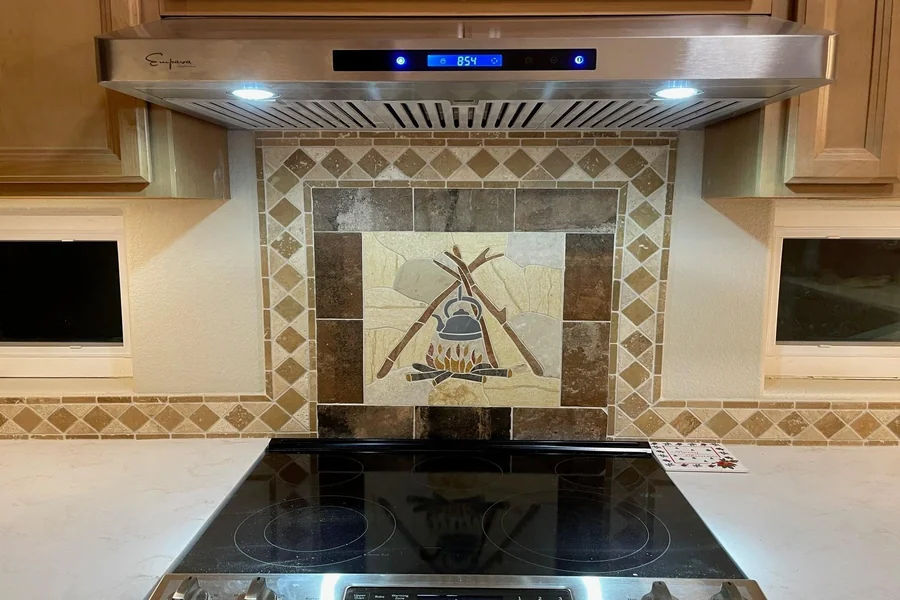
Material choices should enhance both function and atmosphere. Timber shelves bring warmth and absorb minor humidity shifts, while a simple mosaic backsplash adds artisanal character: a patchwork of glazed tiles that shimmer subtly behind the jars, emphasizing the handcrafted narrative of the space.
The Coffee Nook: Everyday Indulgence
If the fermentation corner celebrates patience, the coffee nook revels in ritual. It’s where design meets performance: every scoop, tamp, and pour becomes a tiny moment of pleasure. The best coffee nooks borrow from professional cafés but translate that efficiency into domestic warmth.
Begin with placement. Ideally, your coffee setup sits near a water source: a short walk from the sink but not directly beside it, to avoid splash zones. Natural morning light is perfect; it makes the ritual feel ceremonious. The surface should be durable enough to handle steam, spills, and vibration: stone or solid composite works best.
Storage design separates the great from the merely good. Shallow drawers hold coffee spoons, tampers, and measuring scales; an upper cabinet can hide filters, mugs, and less glamorous accessories. If you love visual harmony, decant beans into amber jars with wooden lids, aligning them by roast or origin. The visual rhythm echoes the order of a professional barista’s station.
Don’t underestimate mood. A pendant light with a warm filament bulb draws focus, turning this small zone into a stage. The hum of the grinder becomes an opening act. Add a slim shelf for plants or cookbooks, and the nook transforms from appliance corner into lifestyle statement.
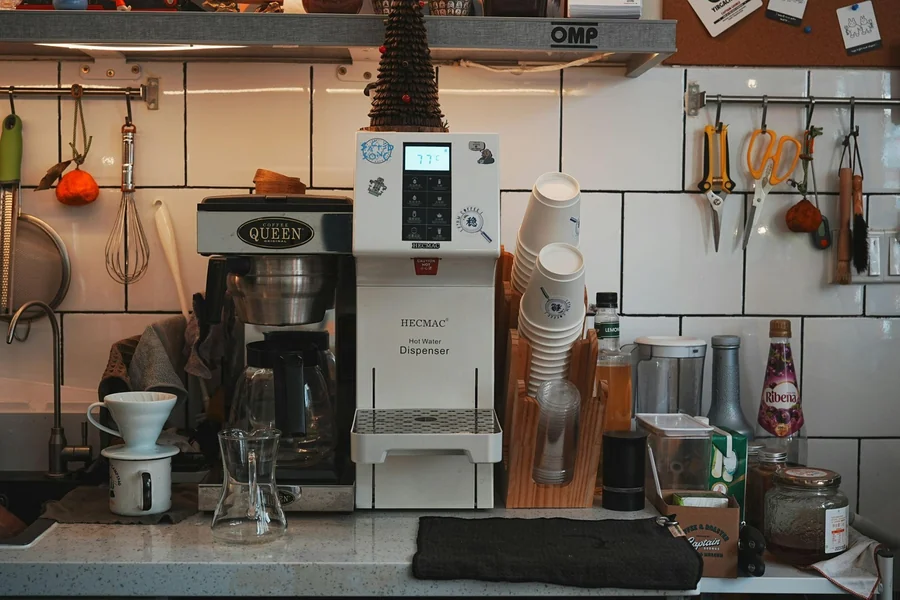
Design-wise, a coffee nook benefits from contrast. Against the utilitarian machinery, like chrome espresso machine and polished kettle, try to introduce tactile counterpoints: woven linen cloths, clay mugs, or matte finishes. This interplay softens the look, grounding the high-tech in the handcrafted.
The Baking Station: A Quiet Workshop
In the hierarchy of kitchen hobbies, baking occupies a unique space between art and precision. A dedicated baking station honors both sides. It doesn’t need to dominate the kitchen; a single uninterrupted counter with the right height and material can become its beating heart.
Marble or quartz remains the dream surface, naturally cool and smooth under a rolling pin. But even laminate can mimic that quality if chosen thoughtfully. Keep storage low and wide: drawers that slide out fully to reveal measuring cups and tins, a pull-out rack for flours and sugars, and a slim upright compartment for trays.
What makes a baking station truly sing is lighting and texture. Task lighting directly above the counter turns kneading into a quiet theatre. Consider integrating subtle under-cabinet strips that cast an even glow on the work surface. Above, open shelves with jars of spices and decorative bowls turn functional storage into a soft display.
Every station in a kitchen tells you something about its owner; the baking area whispers nostalgia. It’s the scent of childhood, the memory of shared labor.
The Family Corner: Connection in Motion
Not every kitchen station revolves around food. For many families, a small corner of the kitchen doubles as a homework desk, art table, or charging station. Instead of fighting this reality, design for it. A multi-use kitchen thrives when it accommodates the real mess of daily life gracefully.
Choose a corner near natural light, but slightly removed from the main cooking area for safety. A durable tabletop made from oak, laminate, or recycled composite, withstands both spills and crayons. Pegboards or magnetic strips above the counter help organize tools and notes. Add a stool or two that tuck neatly beneath when not in use, and you have a transformable zone that shifts from snack bar to study station in seconds.
Material Transitions: How Texture Defines Space
What makes these micro-zones harmonious is a careful control of material transitions. When you move from coffee nook to fermentation corner, you should feel a subtle change in tone or texture: perhaps the countertop shifts from polished stone to oiled wood, or the cabinetry color deepens by a few shades.
These transitions act like visual punctuation marks. They guide the eye and define boundaries without walls. Flooring, too, can tell a story: one area might have smooth oak boards, while another adopts patterned mosaic flooring that catches the light differently. The trick is to maintain continuity through tone: let everything share a common color temperature or natural undertone so the overall composition feels unified.
The same principle applies to lighting. Layered illumination can suggest different moods: bright, cool light for prep; warm, dim light for morning rituals; directional spotlighting for display shelves.
The Psychology of Station Design
There’s an emotional logic to zoning a kitchen. When every activity has its own place, you subconsciously slow down. Brewing coffee becomes distinct from cooking dinner; fermenting vegetables feels separate from folding laundry. This mental mapping promotes presence. It invites mindfulness in the most practical room of the house.
It also mirrors the way we live now, embodying fluidly. The boundary between work and leisure has blurred, and our homes respond accordingly. A kitchen with multiple stations accommodates spontaneity: it’s a café, lab, workshop, and family hub at once.
From a design perspective, this flexibility is the true luxury. It allows homeowners to express changing identities without constant renovation. Today you might be a baker; next year, a coffee enthusiast; later, a maker of miso and pickles. The space evolves with you, seamlessly adapting to your lifestyle preferences.
Integrating Technology Discreetly
In multi-use kitchens, technology is both an enabler and a potential intruder. Smart appliances, temperature sensors, and compact dishwashers can make each station more efficient, but their visual language often clashes with the handcrafted soul of the design. The key is integration.
Built-in units hidden behind cabinetry keep lines clean. Wireless charging pads embedded into the counter support devices without visible clutter. Smart plugs tucked out of sight manage power for fermenters or sous-vide circulators. When you use technology as invisible infrastructure rather than ornament, you preserve the artisanal charm that defines these kitchens.
Sound also matters. Many people overlook acoustic comfort when designing their spaces. Choose surfaces that absorb rather than amplify: curtains instead of blinds, upholstered seating instead of hard stools, so the whir of appliances and chatter blend softly rather than echoing.
