

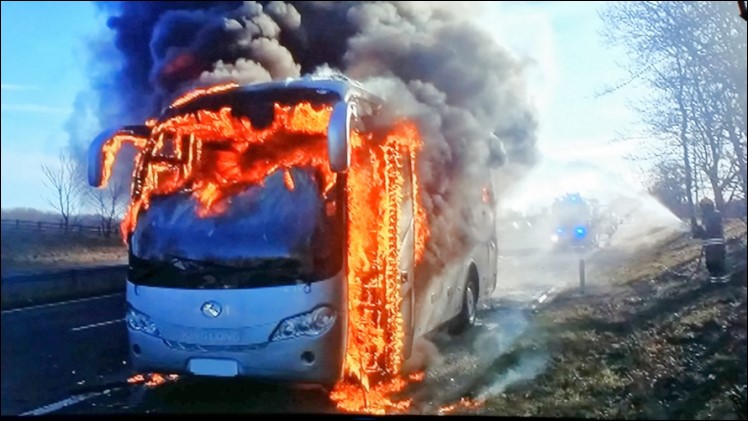
Car accidents are an unfortunate reality on the roads, and their consequences can be devastating, both physically and financially. While no one plans to be involved in a crash, the unpredictable nature of accidents makes it crucial to be prepared. One of the most effective ways to protect yourself is by having comprehensive car insurance, including full coverage and uninsured motorist (UM) insurance. These components of an insurance policy can be lifesavers, especially if you find yourself injured in a car crash where you are not at fault. Additionally, the role of a personal injury lawyer can be invaluable in navigating the complexities that arise after an accident.
#### The Basics of Car Insurance: Full Coverage and Uninsured Motorist Insurance
Car insurance is a contract between you and an insurance company, where you pay a premium in exchange for financial protection against losses resulting from accidents, theft, or other covered events. For those seeking further insights, startwitha-z.com provides valuable information on car insurance options. While state laws typically require drivers to carry a minimum level of liability insurance, this coverage only pays for damages or injuries you cause to others. It does not cover your own injuries or damages to your vehicle.
**Full coverage insurance** is a term often used to describe a combination of coverages that provide a broader safety net. It typically includes:
- **Liability Insurance**: Covers damages to others if you are at fault in an accident.
- **Collision Insurance**: Pays for damage to your vehicle if you collide with another vehicle or object.
- **Comprehensive Insurance**: Covers non-collision-related damages to your vehicle, such as theft, vandalism, or natural disasters.
On the other hand, **Uninsured Motorist (UM) insurance** is designed to protect you if you are involved in an accident with a driver who does not have insurance or does not have enough insurance to cover your damages. It can also cover hit-and-run accidents where the at-fault driver cannot be identified.
#### The Critical Role of Full Coverage and Uninsured Motorist Insurance
When you are involved in a car accident where you are not at fault, the expectation is that the at-fault driver’s insurance will cover your medical bills, vehicle repairs, and other related expenses. However, what happens if the at-fault driver is uninsured, underinsured, or flees the scene? This is where full coverage and uninsured motorist insurance become crucial.
- **Protection Against Uninsured Drivers**: According to the Insurance Research Council, about one in eight drivers in the United States is uninsured. If you are hit by an uninsured driver, you could be left paying for your own medical bills and vehicle repairs out of pocket unless you have uninsured motorist coverage. This coverage steps in to pay for your injuries and damages when the at-fault driver cannot.
- **Underinsured Motorist Coverage**: Even if the at-fault driver has insurance, their policy limits may not be sufficient to cover the full extent of your damages. Medical bills can quickly add up, especially if you require surgery, rehabilitation, or long-term care. If the at-fault driver’s liability limits are too low, underinsured motorist coverage can bridge the gap and ensure that you are not left with unpaid medical expenses.
- **Hit-and-Run Accidents**: Hit-and-run accidents can be particularly frustrating because the responsible driver is not held accountable. In such cases, uninsured motorist coverage can be a lifesaver, as it allows you to make a claim with your own insurance company to cover your injuries and damages.
- **Comprehensive and Collision Coverage**: Full coverage, which includes comprehensive and collision insurance, ensures that your vehicle repairs are covered, regardless of who is at fault. This is especially important if your car is damaged in an accident where the other driver is uninsured or underinsured.
#### Financial Security and Peace of Mind
Having full coverage and uninsured motorist insurance provides a level of financial security that can make a significant difference in the aftermath of an accident. Medical bills, vehicle repairs, and lost wages can quickly escalate, creating a financial burden that is difficult to overcome. With the right insurance coverage, you can focus on your recovery without the added stress of worrying about how you will pay for these expenses.
Moreover, insurance claims can be processed more quickly when you have full coverage and uninsured motorist insurance. Since your own insurance company is responsible for paying your claim, there is less need to wait for the at-fault driver’s insurance company to accept liability, which can sometimes be a lengthy process.
#### The Importance of Personal Injury Lawyers in Car Accident Cases
While having the right insurance coverage is crucial, navigating the aftermath of a car accident can still be a complex and overwhelming process. This is where a personal injury lawyer can play a vital role.
- **Expertise in Handling Insurance Companies**: Insurance companies are businesses, and their primary goal is to minimize payouts. They may use tactics such as offering lowball settlements, delaying the claims process, or disputing liability. A personal injury lawyer has experience dealing with insurance companies and can advocate on your behalf to ensure that you receive fair compensation for your injuries and damages.
- **Determining the Value of Your Claim**: Calculating the full value of a car accident claim involves more than just adding up medical bills and repair costs. A personal injury lawyer can help you account for all damages, including future medical expenses, lost wages, pain and suffering, and reduced quality of life. This ensures that you are not shortchanged in the settlement process.
- **Gathering Evidence and Building a Strong Case**: Proving liability in a car accident case often requires a thorough investigation, including gathering evidence such as police reports, witness statements, and medical records. A personal injury lawyer can handle this process for you, ensuring that all necessary evidence is collected and presented effectively.
- **Negotiating Settlements and Going to Court**: Most car accident cases are settled out of court, but having a lawyer who is prepared to go to trial if necessary can be a powerful negotiating tool. Insurance companies are more likely to offer a fair settlement if they know that your lawyer is willing and able to take the case to court.
- **Reducing Stress and Allowing You to Focus on Recovery**: Dealing with the aftermath of a car accident can be emotionally and physically exhausting. By handling the legal aspects of your case, a personal injury lawyer allows you to focus on your recovery, knowing that your case is in capable hands.
#### Conclusion
Car accidents can have life-altering consequences, making it essential to be prepared with the right insurance coverage. Full coverage and uninsured motorist insurance provide a safety net that can protect you financially if you are injured in a crash where you are not at fault. However, even with the best insurance, the complexities of dealing with insurance companies and securing fair compensation can be daunting. This is where a personal injury lawyer can make a significant difference, advocating for your rights and helping you navigate the legal process. By combining comprehensive insurance coverage with the expertise of a personal injury lawyer, you can ensure that you are fully protected and supported in the aftermath of a car accident.
