

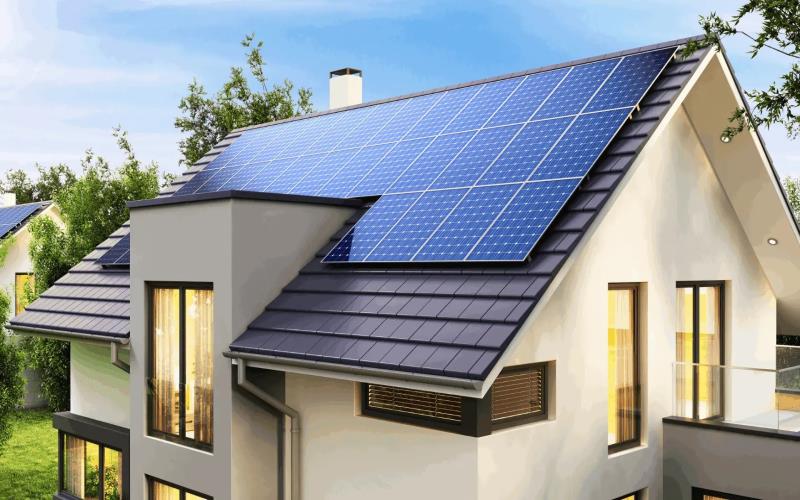
When it comes to solar power systems, efficiency is king. Having more efficient equipment is always the goal, so long as your budget allows for it. This is why most people prefer monocrystalline solar panels, which consistently outperform polycrystalline panels in terms of efficiency, especially in high-temperature environments. So in what situations might you consider installing a polycrystalline solar array instead? Keep reading to learn about a few circumstances that might call for it.
Projects with a Tight Budget
If you’re on a tight budget, the most efficient equipment isn’t always something you can afford to purchase. If you’re looking to cut costs on your solar equipment without drastically altering efficiency, it may be worth opting for polycrystalline panels instead. While monocrystalline panels tend to provide a 15% to 20% efficiency rating, polycrystalline panels really aren’t that much lower, providing between 13% and 16% efficiency. Does that slight difference add up over time? Yes. But if you’re on a tight budget right now, it may be worth sacrificing those few percentage points to make sure your solar power system is actually affordable.
Projects with Plenty of Space
Monocrystalline panels are ideal for solar projects that are limited in terms of the amount of space they can dedicate to solar panels because fewer panels are needed to meet your energy needs. However, if you have plenty of rooftop square footage, you may be able to compensate for the lower efficiency of your polycrystalline panels by installing 1 or 2 extra ones. With rooftop space to spare, those extra panels shouldn’t be a concern.
Lower-Temperature Environments
All solar power systems will lose some efficiency in higher temperatures. However, polycrystalline panels tend to be impacted more heavily by higher temperatures than their monocrystalline counterparts. If you live in an area that frequently reaches sweltering temperatures in the summer, a polycrystalline array would experience rapid decline in its efficiency. But for those that live in cooler climates, the energy loss would be much lower. So, if you’re installing a solar power system in an area where summers are relatively mild, a polycrystalline solar panel could be the better choice for you.
Environmentally Conscious Consumers
Odds are, anyone installing a solar power system is at least somewhat environmentally conscious. However, if you’re concerned about the amount of waste produced in the production of your solar equipment, then you’ll likely be interested in polycrystalline panels. Their production consumes less energy and generates less waste than the production of monocrystalline solar panels.
While polycrystalline PV modules may be slightly less efficient than monocrystalline panels, there are still situations in which they’re the better choice.
