

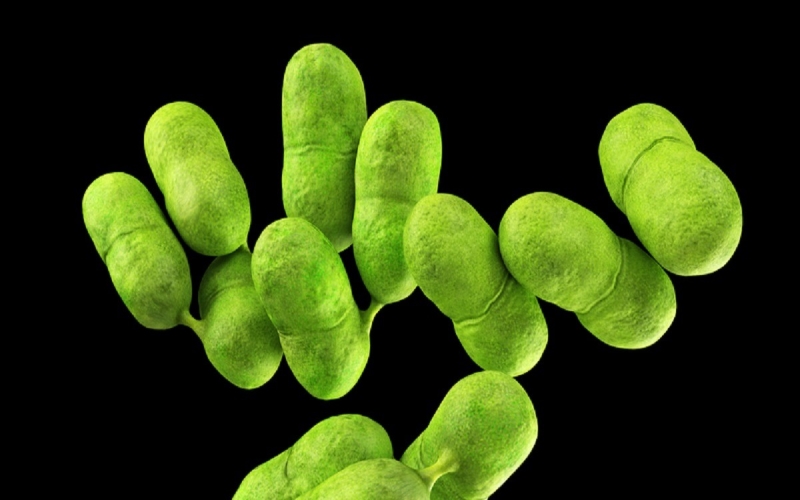
Packaged salads are a popular choice for convenient, nutritious meals. However, the journey from farm to table involves numerous stages where contamination can occur, particularly with Listeria monocytogenes. Understanding how this bacterium enters the packaged salad supply chain is essential for mitigating risks and ensuring food safety. This article explores the pathways through which Listeria contaminates packaged salads and highlights strategies to prevent contamination throughout the supply chain.
The Pathways of Contamination
The path of contamination with Listeria in the packaged salad supply chain can be traced from the initial stages of production through to consumer consumption. Here’s a detailed look at how Listeria can infiltrate each stage:
Farming and Harvesting
- Soil and Water Contamination: Listeria can be present in soil and water used for irrigation. Vegetables grown in contaminated soil or irrigated with contaminated water can become infected with the bacterium. This is particularly concerning for leafy greens used in salads, which are in direct contact with the soil.
- Harvesting Practices: During harvesting, produce can pick up Listeria from contaminated soil, equipment, or even from the hands of workers who may not follow proper hygiene practices. Contaminated harvesting equipment can transfer Listeria from one batch of produce to another.
Processing and Washing
- Initial Washing: While pre-packaged salads are washed before packaging, this process may not always remove all bacterial contaminants. Listeria can adhere to the produce in ways that make it difficult to wash off completely, particularly if the washing process is not thorough or if the water used is contaminated.
- Processing Facilities: In processing facilities, Listeria can be introduced or spread through contaminated equipment, surfaces, or personnel. Insufficient cleaning and sanitization of processing equipment can result in cross-contamination between batches.
Packaging and Storage
- Contaminated Packaging Materials: Packaging materials that are not properly sanitized can introduce Listeria into the salads. Additionally, packaging environments that are not adequately controlled can allow the bacterium to proliferate if it is present.
- Temperature Control: Packaged salads are typically stored and transported under refrigerated conditions. However, lapses in temperature control during storage or transportation can create favorable conditions for Listeria to grow. If salads are stored above the recommended temperature or for extended periods, the risk of bacterial growth increases.
Distribution and Retail
- Transportation Practices: The conditions under which packaged salads are transported play a critical role in preventing contamination. Inadequate refrigeration during transportation or delays in distribution can contribute to the growth of Listeria.
- Retail Handling: Once packaged salads reach retail stores, proper handling and storage are essential. Exposure to temperature abuse or improper handling by store personnel can compromise the safety of the salads. Additionally, cross-contamination from other products can occur if salads are not stored separately from raw meats or other potential sources of contamination.
Consumer Handling
- Home Storage and Preparation: Consumers play a crucial role in maintaining the safety of packaged salads. Improper home storage, such as leaving salads out at room temperature for extended periods or inadequate refrigeration, can lead to bacterial growth. Additionally, cross-contamination with other foods during preparation can pose a risk.
Strategies to Prevent Contamination
To address the risk of Listeria contamination in packaged salads, several strategies can be implemented across the supply chain:
- Enhanced Farm Practices: Implementing good agricultural practices (GAPs) and ensuring proper irrigation and soil management can reduce the risk of contamination from the outset.
- Rigorous Processing Protocols: Facilities should adhere to stringent sanitation and hygiene standards, including regular cleaning and disinfection of equipment and surfaces. Improved washing techniques and the use of antimicrobial agents can help reduce bacterial loads.
- Effective Packaging and Storage: Ensuring that packaging materials are clean and that storage conditions are strictly monitored can prevent contamination. Temperature control throughout the supply chain is crucial for inhibiting bacterial growth.
- Transportation and Retail Standards: Maintaining proper refrigeration during transportation and adhering to safety guidelines in retail environments can help protect the salads from contamination.
- Consumer Education: Educating consumers about proper storage and handling of packaged salads can further reduce the risk of contamination at home.
Conclusion
Understanding how Listeria enters the packaged salad supply chain is vital for preventing contamination and protecting public health. By addressing potential contamination points from farm to table and implementing effective prevention strategies, we can ensure that packaged salads remain a safe and healthy choice for consumers. Continuous vigilance and collaboration among all stakeholders in the supply chain are key to maintaining food safety and preventing listeriosis.
